A professional roof replacement is one of the largest and most important upgrades a homeowner can make. Whether your roof has reached the end of its lifespan, suffered storm damage, or simply no longer performs the way it should, replacing it can restore long-term safety, improve energy efficiency, and protect the entire structure of your home. For many homeowners, however, the process feels unfamiliar and overwhelming. Understanding what to expect at each stage helps remove uncertainty and gives you confidence as the project moves forward.
A roof replacement involves multiple steps, inspections, and decisions. From choosing materials to preparing the home and completing the residential roof installation, each phase plays a critical role in the final outcome. When handled by trained professionals, the experience should feel organized, predictable, and transparent. Knowing what the process looks like makes it easier to budget, schedule, communicate with your contractor, and feel secure about the investment in your home.
Below is a comprehensive walkthrough of everything you can expect when scheduling a roof replacement—from the first inspection to the final cleanup—so you can approach the project with clarity and peace of mind.
The Initial Consultation and Roof Assessment
A professional roof replacement always begins with a thorough inspection. During this visit, a qualified roofer examines your roof’s condition, age, and existing materials while identifying structural and safety concerns. They may check for signs such as leaks, sagging, missing shingles, mold growth, and ventilation issues. These findings help determine whether a repair is sufficient or if a full replacement is necessary.
Assessments also include reviewing the attic. Inspecting the underside of the roof deck allows professionals to evaluate moisture levels, visible damage, and airflow problems. Many homeowners initiate this stage after previously exploring local roof repair, but learn that the roof’s age or deterioration requires a more extensive solution.
During the consultation, contractors discuss your preferred materials, style preferences, budget, and timeline. They may review multiple roofing types, explain differences in durability, and discuss warranties associated with each product. This step empowers you to make informed decisions before any work begins.
Preparing an Accurate and Transparent Estimate
After the initial inspection, contractors prepare a detailed written estimate. This document outlines material costs, labor, disposal fees, timeline expectations, warranty information, and any recommended upgrades. Your contractor may also list optional enhancements such as improved ventilation, underlayment upgrades, or gutter replacements.
A clear, itemized estimate helps you compare service providers and eliminate guesswork in budgeting. Homeowners often consult several local roofers during this stage to evaluate pricing, communication, and professionalism before choosing the right team.
A trustworthy estimate should answer key questions such as:
- What materials will be used?
- How long will the project take?
- What is included in the warranty?
- What happens if hidden damage is discovered?
By reviewing these details early, homeowners begin the project with clarity and confidence.

Selecting Your Roofing Materials
Once you decide to move forward, you’ll choose the roofing materials for your home. Roofing options vary widely in cost, appearance, lifespan, and performance. Popular choices include asphalt shingles, metal roofing, tile, slate, and synthetic materials.
When homeowners want the best long-term performance, they often seek advice from a residential roofing company that understands local climate considerations. Your contractor will explain each option’s strengths and maintenance needs so you can choose one that meets your budget and longevity expectations.
During this phase, color and design become important. A new roof can dramatically improve curb appeal, and selecting complementary tones can enhance your home’s overall aesthetic. Many manufacturers offer extended warranties on premium shingles, which can add higher value over time.
Scheduling the Roof Replacement
Once materials are selected and the estimate is approved, your contractor will schedule the installation. Weather plays a major role in these decisions. Roof replacements are typically planned during dry periods to prevent delays and ensure safe working conditions.
Before the project begins, the contractor may advise homeowners to:
- Remove fragile items from walls and shelves due to vibration.
- Cover valuables in the attic to protect them from dust.
- Move patio furniture or vehicles away from work areas.
- Secure pets indoors.
Clear communication helps you understand what to expect in the days leading up to installation.
Arrival of the Roofing Crew and Materials
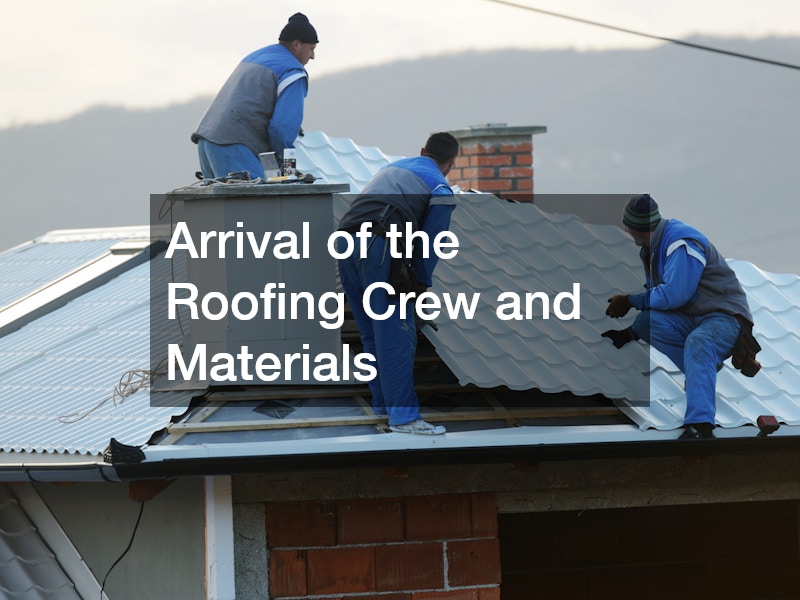
On installation day, the crew arrives early to begin preparations. Trucks deliver materials, dumpsters, tarps, tools, and protective equipment. You may notice workers walking the property, identifying safe zones, and planning debris disposal.
Your contractor may review the project timeline again and answer any remaining questions. For homeowners who value a smooth experience, working with local roofing companies provides the advantage of faster arrival times and familiarity with community regulations.
At this stage, the crew ensures your landscaping, windows, and siding are protected. Tarps are laid on the ground, plywood may be used to shield delicate areas, and work zones are clearly established.
Removing the Old Roofing System
Tear-off is one of the most significant phases of a roof replacement. During this step, the existing shingles, nails, underlayment, flashing, and damaged decking are removed. Although some older roofs were once layered with new shingles placed over old ones, modern standards generally recommend complete tear-off for durability and warranty compliance.
Contractors use specialized tools to remove materials quickly and safely. Debris is continually collected and placed into dumpsters to keep the site organized.
Once the surface is exposed, the crew carefully inspects the roof deck. Any areas that are rotted, weakened, or structurally compromised must be repaired before new materials are installed. This ensures your new roof has a solid foundation.
Because removal can be noisy, homeowners often prepare by informing neighbors ahead of time. If concerns arise during this phase, the presence of local roofer teams who communicate clearly ensures homeowners stay informed throughout the process.
Inspecting and Repairing the Roof Deck
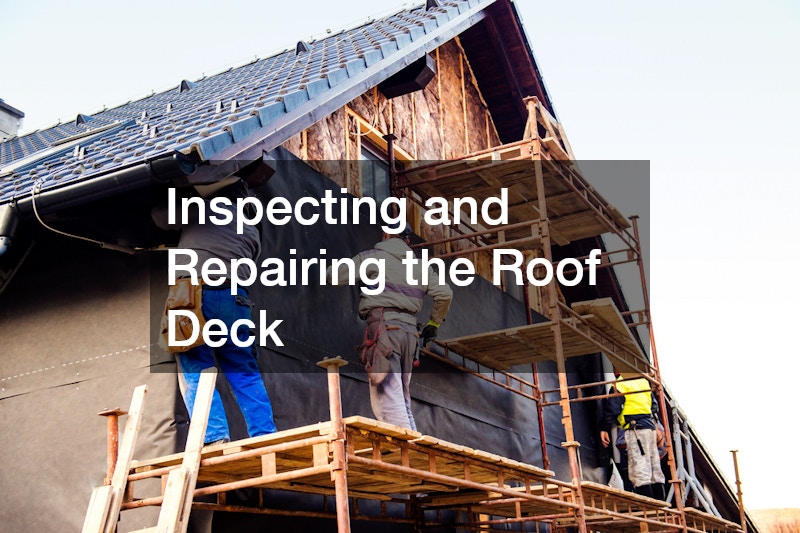
After all old roofing materials are removed, the roof deck becomes fully visible. This plywood (or sometimes OSB) surface must be sturdy and secure. Contractors look for issues such as:
- Soft spots
- Moisture damage
- Warped or sagging decking
- Mold growth
- Incorrect nailing patterns
If damaged areas exist, they are replaced with new decking. This step is critical because the roof deck acts as the foundation for the entire roofing system.
Some homeowners expect roof deck replacements to be minimal, but older homes or roofs with long-term leaks may have several compromised areas. Repairing these problems at this stage prevents future structural damage and supports a durable installation.
Installing the Underlayment and Waterproof Protection
Next, contractors install waterproofing materials. Underlayment acts as a protective barrier beneath shingles, safeguarding the home from water intrusion if wind lifts shingles or during heavy rainfall.
The installation process includes:
- Applying ice and water shield near edges and valleys
- Installing synthetic or felt underlayment
- Checking ventilation openings
- Sealing vulnerable areas
This moisture-resistant layer plays a major role in preventing leaks. Modern underlayments offer stronger tear resistance and better durability than older felt products. A properly installed foundation ensures long-term performance.
Homeowners seeking maximum protection often explore upgraded options as part of premium roof replacement packages, especially if they live in areas with heavy storms, wind, or seasonal snow.
Installing Flashing, Drip Edges, and Ventilation Systems
Before shingles are installed, contractors add metal flashing around chimneys, skylights, vents, and roof intersections. These components direct water away from vulnerable areas and prevent moisture intrusion.
Drip edges are installed along roof edges to control water runoff and protect fascia boards. Properly installed drip edges help prevent structural deterioration and mold.
Ventilation is another essential consideration. Roofers examine attic airflow to determine whether your home needs ridge vents, gable vents, or other upgrades. Proper ventilation extends the life of your roofing materials and improves indoor climate control.
This step often leads homeowners to update or enhance their roofing solutions to better support long-term efficiency and durability.
Installing the New Roofing Materials
Once all protective layers, ventilation components, and flashing are in place, the installation of your new roof begins. The crew works carefully from the bottom upward, ensuring shingles or other materials are properly aligned and secured.
During installation, contractors follow manufacturer guidelines to guarantee proper spacing, nail placement, and sealing. This protects warranties and ensures long-term performance.
Homeowners may not see every aspect of this work, but the steady rhythm of progress—visible through newly installed rows of shingles—shows that the project is moving toward completion.
Some homeowners exploring affordable roofing solutions may choose standard architectural shingles, while others opt for premium materials such as metal or slate. Regardless of material type, professional installation is key to durability.
Quality Control and Mid-Project Inspections
Throughout the installation, supervisors or lead roofers conduct periodic inspections to ensure accuracy and quality. These checks verify that:
- Underlayment is fully secured
- Shingle alignment remains consistent
- Flashing is installed correctly
- Valleys and ridges are sealed properly
- Nail placement meets manufacturer requirements
Quality control prevents mistakes and ensures your roof’s performance meets modern standards.
Mid-project communication also allows contractors to address concerns or unexpected findings. For example, if additional decking repairs are necessary, you’ll receive updates before the next phase begins.
Finalizing the Ridge Caps, Sealing, and Finishing Details
The finishing stage involves installing ridge caps along the peak of the roof. These specialized shingles or materials protect the highest point of your roof while supporting ventilation.
Contractors also seal exposed nail heads, reinforce flashing seams, and inspect edges for proper alignment. These finishing touches are essential for long-lasting performance.
During this phase, roofers double-check that the installation matches the project plan and manufacturer specifications. Homeowners working with the best roofing contractors often appreciate the precision and attention to detail applied during the final steps.
Site Cleanup and Debris Removal
Once installation is complete, the crew begins cleaning the site. Professional cleanup includes:
- Removing tarps
- Collecting stray nails with magnets
- Disposing of old roofing materials
- Cleaning gutters and downspouts
- Inspecting the yard for debris
This stage ensures your property looks neat and safe after a major construction project.
Homeowners are often surprised by how tidy the property appears when working with experienced teams familiar with large-scale cleanup. Because roofing debris can be sharp and hazardous, thorough cleanup demonstrates the contractor’s professionalism.
Final Walkthrough and Project Review
After the cleanup, your contractor conducts a final walkthrough with you. This inspection gives you the opportunity to:
- Review the completed roof
- Ask questions
- Confirm that materials match your agreement
- Understand warranty coverage
- Learn about maintenance recommendations
The final walkthrough ensures you feel fully confident about the completed project. Homeowners considering future upgrades or improvements may also discuss goals such as gutter replacements, attic insulation, or structural upgrades.
At this stage, contractors may share guidance on the first few months of care, such as avoiding pressure washing, checking for debris after storms, and monitoring attic ventilation.
Understanding Warranties and Long-Term Protection
Most new roofs come with two types of warranties:
- Manufacturer Warranty
Covers defects in roofing materials. - Workmanship Warranty
Covers installation quality.
Your contractor should explain what is included, how long coverage lasts, and what actions could void the warranty. For example, improper maintenance or unauthorized repairs may reduce protection.
Some homeowners prefer working with local roofers who offer extended workmanship warranties based on their ongoing presence in the community.
Understanding your warranty empowers you to maintain your roof properly and avoid unexpected out-of-pocket costs.
How Long Does a Roof Replacement Take?
Most roof replacements take one to three days, depending on:
- Roof size
- Material type
- Weather conditions
- Decking repairs
- Crew size
Larger or more complex roofs may take up to a week. Contractors typically schedule installations for predictable weather periods.
Homeowners concerned about noise or disruption may plan time away during tear-off, but the decision is optional.
Common Challenges During a Roof Replacement
Even with excellent planning, unexpected issues may arise. Common challenges include:
Hidden Damage
Roofers may find rotted decking, pest damage, or deteriorating structural components. These require immediate repair.
Weather Delays
Rain, high winds, or extreme temperatures can postpone installation.
Material Shortages
Occasionally, high-demand materials may require additional lead time.
Unexpected Costs
Additional repairs—like replacing flashing or fascia boards—may increase the final cost.
Working with local roofing companies that communicate proactively helps minimize surprises during the project.
How Homeowners Can Prepare for a Smooth Installation
A few simple steps can make your roof replacement smoother and more efficient:
Secure Outdoor Items
Move patio furniture, plants, grills, and toys away from work areas.
Protect Fragile Belongings Indoors
Vibrations from tear-off can shake shelves, so remove delicate items.
Cover Items in the Attic
Dust and debris may fall during decking repairs.
Plan for Noise
Roofing work is loud, so consider alternative arrangements if you work from home or have pets sensitive to noise.
Notify Neighbors
A quick message prevents surprises and maintains goodwill.
Contractors may also ask for driveway access to park equipment. These simple preparations support an efficient work environment.
Energy Efficiency Benefits After a Roof Replacement
A new roof can significantly improve your home’s energy performance. Modern materials reflect heat more effectively, reduce attic temperatures, and improve insulation. This leads to lower utility costs and a more comfortable home throughout the year.
Upgrading ventilation during installation also helps regulate moisture and airflow, preventing issues like mold growth and uneven temperature distribution.
Some homeowners choose reflective shingles or enhanced underlayment to maximize efficiency. These upgrades may qualify for rebates depending on your region and local utility programs.
Curb Appeal Improvements and Home Value Benefits
A professionally installed roof transforms the appearance of your home. New shingles provide clean lines, uniform color, and an updated aesthetic that complements your architecture.
Real estate professionals consistently report that roof replacements offer one of the highest returns on investment in home improvement. Buyers are more confident purchasing homes with new roofing because it eliminates the need for immediate repairs.
This added value makes a replacement a smart long-term investment for homeowners planning to sell.
How Roof Replacement Differs From Repair
Roof repair addresses localized issues, while replacement resolves full-system aging or structural decline. Although repairs are cost-effective for minor problems, roofs near the end of their lifespan benefit more from complete replacement.
Contractors evaluate:
- Shingle brittleness
- Age
- Granule loss
- Previous repairs
- Leaks
- Decking condition
Homeowners who initially seek local roof repair but discover widespread deterioration often decide that replacement offers greater stability and value.
Choosing the Right Roofing Contractor
The success of your project depends heavily on who installs your roof. The ideal contractor should demonstrate:
- Strong communication
- Proper licensing and insurance
- References from local customers
- Transparent pricing
- High-quality workmanship
- Knowledge of local building codes
Some homeowners prefer hiring local roofers for quicker scheduling, reliability, and personalized service. Others look for the best roofing contractors who offer premium materials, extended warranties, and proven expertise.
The most important factor is selecting a team you trust to complete a project of this scale professionally.
Why Professional Installation Matters
DIY roofing may seem appealing, but it carries significant risks. Roofing work requires:
- Specialized tools
- Safety equipment
- Extensive training
- Knowledge of building codes
- Proper ventilation design
- Accurate installation techniques
Improper installation can void warranties, cause leaks, and shorten your roof’s lifespan. Working with a residential roofing company ensures your roof meets industry standards, providing long-term protection for your home.
Upgrades You May Want to Consider During Replacement
A roof replacement is the ideal time to add upgrades that enhance performance, durability, or appearance. Popular enhancements include:
- Enhanced underlayment
- Ridge vent systems
- High-performance shingles
- Chimney flashing replacement
- Skylights or sun tunnels
- Gutter upgrades
These improvements often cost less when installed during a replacement rather than added later.
Environmental and Sustainable Roofing Options
Eco-conscious homeowners may explore sustainable options during replacement. These include:
Recycled Shingles
Made from reclaimed rubber or plastic.
Metal Roofing
Long-lasting and fully recyclable.
Cool Roofing Materials
Designed to reflect sunlight and reduce heat absorption.
Solar Integration
Some systems are designed to incorporate solar panels.
Energy-efficient materials can lower long-term utility costs and support environmental goals.
Financing Options and Payment Plans
Because roofing is a major investment, many contractors offer financing options. These may include:
- Monthly payment plans
- Low-interest promotional periods
- Third-party financing partners
Some homeowners exploring affordable roofing solutions use financing to spread costs across a manageable timeline without delaying essential repairs.
What Happens After the Replacement Is Completed
After installation and cleanup, homeowners receive documentation including:
- Warranty certificates
- Payment receipts
- Material information
- Maintenance recommendations
- Inspection reports
These documents should be stored securely, especially if you plan to sell your home in the future.
Contractors may also schedule follow-up visits to ensure everything performs as expected.
A professional roof replacement is a multi-step process that requires careful planning, skilled labor, and clear communication. Understanding each phase—from inspection to cleanup—helps you feel confident and informed throughout the project. A new roof strengthens your home, enhances curb appeal, and provides long-term protection against weather and wear. With the right contractor and a clear understanding of what to expect, you can approach your roof replacement with peace of mind, knowing your home is in capable hands.