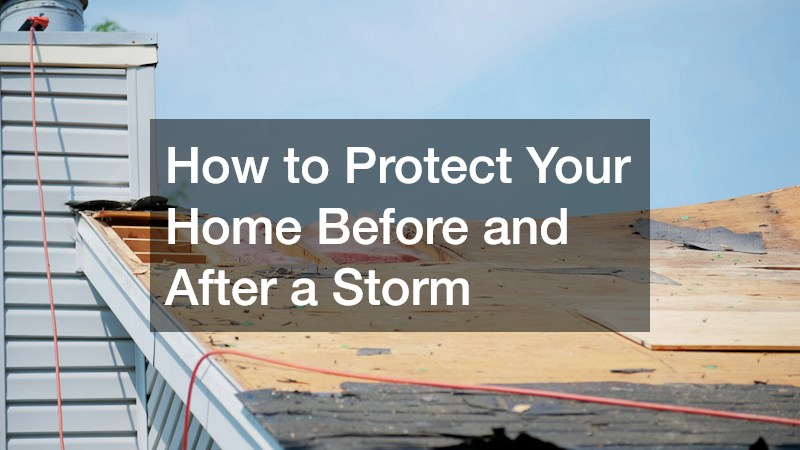
The reality of severe weather has changed dramatically in recent years. Across the globe, meteorological events are becoming increasingly frequent, intense, and unpredictable. Coastal communities face stronger, slower-moving hurricanes that carry catastrophic storm surges. The heartlands encounter volatile tornado outbreaks that defy traditional seasonal boundaries, while northern regions grapple with paralyzing blizzards and ice storms. Even localized severe thunderstorms now routinely pack straight-line winds equivalent to minor tornadoes, alongside torrential downpours capable of causing instantaneous flash flooding. For homeowners, these shifts mean that relying on historic weather patterns is no longer a viable strategy for safety.
Hardening Your Home’s Exterior Against High Winds

Reinforce Large Vulnerabilities
When high winds strike a residential structure, the largest opening is almost always the most vulnerable. For the vast majority of homes, this means the garage door. Standard, unreinforced garage doors are highly susceptible to wind pressure; a strong gust can easily buckle the panels or tear the door entirely off its tracks. Once a garage door fails, high-velocity winds rush into the enclosed space, creating massive internal pressure. This phenomenon, known as internal pressurization, pushes upward against the ceiling and outward against the walls, drastically increasing the likelihood that the roof will be ripped off the house.
To prevent this catastrophic failure, homeowners must inspect and brace the overhead tracks and hinges of their garage systems. Look for loose bolts, rusted hinges, and tracks that show signs of bending or misalignment. If your region is prone to severe storms, upgrading to wind-rated models is one of the most impactful investments you can make. These specialized doors feature heavy-gauge steel tracks, robust internal reinforcing struts, and heavy-duty hardware designed to withstand positive and negative wind pressures up to hundreds of pounds per square foot. If your current door is aging or showing signs of structural fatigue, consulting a professional garage door repair company to evaluate, reinforce, or replace the system can mean the difference between a secure home and a total roof collapse.
Upgrade Vulnerable Glazing
Windows and glass doors represent another critical vulnerability during severe windstorms and hurricanes. When flying debris shatters a window, it creates an immediate breach in the home’s protective envelope. Just like a garage door failure, a broken window allows wind to enter and pressurize the interior, while simultaneously exposing the home’s contents to torrential rain and flying glass shards. Traditionally, homeowners relied on plywood or exterior shutters to protect these openings. While effective if installed correctly, manual shutters require significant physical labor and advance warning to deploy safely.
An increasingly popular and highly effective alternative is the installation of impact-resistant glass. The mechanics of hurricane glass windows rely on a multi-layered design, typically featuring a durable polyvinyl butyral (PVB) or ethylene-vinyl acetate (EVA) interlayer sandwiched between two panes of tempered glass. When an object strikes the window, the outer glass may crack, but the tough internal polymer layer remains intact, preventing the object from penetrating the home and keeping the wind out. This continuous protection prevents the rapid home pressurization that leads to structural blowouts, while offering the added benefits of permanent UV protection and enhanced home security year-round.
Fortifying the Roof and Upper Structure
Secure the Roof Envelope
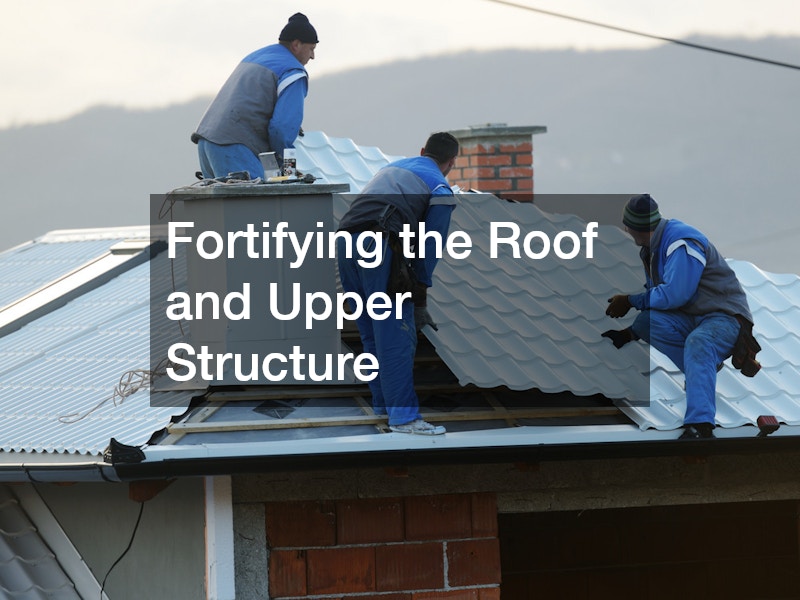
The roof is your home’s primary shield against the elements, making it the most exposed and vulnerable component during a severe storm. Wind passing over a roof creates uplift forces, which try to pull the roofing materials away from the structural decking. If the perimeter edges or individual shingles are already compromised, the wind can easily gain a foothold, peeling away large sections of the roof envelope and exposing the interior of the home to catastrophic water damage.
Homeowners should regularly look for visual indicators of compromised roofing from the ground. Look for curling, cracked, or entirely missing shingles, as well as exposed underlayment or damaged metal flashing along the valleys and eaves. Pay close attention to the drip edge—the metal flashing installed along the edges of the roof—as this is where wind uplift often begins. While some minor maintenance can be handled by an experienced homeowner, securing weak perimeter edges and identifying hidden structural weaknesses requires an expert eye. Hiring a certified roofing expert to perform a comprehensive pre-season inspection ensures that loose shingles are secured, flashing is resealed, and the roof deck attachment points are robust enough to withstand extreme updrafts.
Maintain Sound Ventilation Flues
While the main roof surface gets the most attention, penetration points such as chimneys, plumbing vents, and attic exhaust flues are notorious weak spots during severe weather. High winds can tear away unsecured vent caps, while driving, sideways rain can find its way into the smallest cracks and crevices around these penetrations. Chimneys are particularly vulnerable because they are subject to both structural settling and environmental degradation.
Severe winds and heavy rain routinely exploit cracked chimney crowns and failing mortar joints. The crown—the concrete slab at the top of a masonry chimney—is designed to shed water away from the bricks. If it is cracked, water can seep down into the chimney structure, weakening the mortar and causing internal leaks that damage ceilings and walls far below. Homeowners must verify that all chimney caps and flashing are completely water-tight. Scheduling a local chimney inspection before the stormy season hits allows professionals to seal masonry cracks, reinforce flashing connections, and ensure that the chimney cap can withstand high winds without becoming a dangerous airborne projectile.
Protecting Utilities and Thermal Boundaries
Prevent Core Energy Failures
Prolonged power outages are one of the most common and disruptive consequences of severe weather. When high winds bring down power lines or ice snaps utility poles, neighborhoods can be left without electricity for days or even weeks. For households that rely on electricity for medical equipment, refrigeration of perishable medications, or running a well pump, an extended outage is more than an inconvenience—it is a life-threatening emergency.
To prepare for core energy failures, you must first calculate your home’s baseline wattage needs. This involves listing the starting and running wattage of every critical appliance you intend to power simultaneously, such as a refrigerator, a few LED lights, a space heater, and communication devices. Once you know your energy baseline, you can invest in safe backup power options. While traditional fuel-powered generators are effective, a modern portable power station offers a clean, silent, and indoor-safe alternative. These large-capacity battery systems can be charged ahead of time via grid power or supplemented during an outage using portable solar panels, providing a reliable reserve of energy without the noise, exhaust fumes, and fuel storage challenges associated with gas generators.
Maintain Thermal Resilience
When the municipal power grid fails during extreme cold snaps or scorching summer heatwaves, a home’s ability to maintain a safe interior temperature drops rapidly. Without a functioning furnace or air conditioner, the indoor environment can quickly become hazardous to vulnerable family members, such as infants and the elderly. Furthermore, during freezing winter storms, a rapid drop in indoor temperature can cause plumbing pipes running through unconditioned spaces to freeze and burst, leading to catastrophic flooding once the lines thaw.
Maintaining thermal resilience depends heavily on how well you seal your home’s thermal envelope. Upgrading attic and wall barriers prevents the rapid transfer of heat, keeping your home warmer in the winter and cooler in the summer when mechanical climate control is unavailable. If your insulation is thin, settled, or damaged by moisture, contacting a licensed insulation contractor to blow in new fiberglass or cellulose can drastically improve your home’s passive temperature retention. Properly insulated walls and attics insulate the plumbing pipes nestled within them, preventing burst pipes during extreme cold snaps and reducing your reliance on continuous grid power.
Managing On-Site Water and Waste Systems

Maintain Fresh Water Access
For millions of homeowners, fresh water does not come from a municipal supply line; it is drawn directly from the ground via a private well system. These systems rely entirely on an electric pump to draw water from the aquifer and pressurize the home’s plumbing lines. Consequently, when localized flooding occurs or power loss disrupts the electrical grid, private water systems come to a complete halt. Without electricity, the taps run dry immediately, leaving the household without water for drinking, sanitation, or cooking.
Furthermore, heavy rains and rising floodwaters can submerge the wellhead, introducing bacteria, agricultural runoff, and chemical contaminants directly into the well shaft. To safeguard your water supply, pre-emptive electrical and mechanical checks on submersible units are essential. Ensuring that the wellhead cap is securely sealed and elevated above potential flood lines prevents surface water contamination. If your well has been experiencing intermittent pressure drops or electrical sputtering, booking a well pump repair specialist before a major storm ensures that your system’s electrical relays, pressure switches, and backup power connections are fully operational.
Prevent Hazardous Waste Backups
Just as private water systems are vulnerable to storm impacts, private waste management systems face severe risks during torrential rain events. A standard septic system relies on a septic tank and a drainage field to process and neutralize household wastewater. The drain field consists of a series of perforated pipes buried in gravel-filled trenches, allowing effluent to slowly percolate down through the soil for natural filtration.
When a severe storm drops inches of rain in a short period, the soil in the drain field can become completely saturated with water. Once saturated, the ground loses its ability to absorb any additional liquid. If the household continues to flush toilets and run water, the wastewater has nowhere to go, forcing sewage to back up through the lowest drains in the home. Checking tank levels and structural integrity ahead of heavy rain events is mandatory to ensure there is adequate capacity inside the tank. Investing in a professional septic inspection before the wet season allows you to identify structural cracks, verify that baffle walls are intact, and pump out the tank if it is nearing capacity, significantly reducing the risk of a hazardous waste backup.
Immediate Post-Storm Safety and Hazard Mitigation
Handle Structural and Electrical Hazards Safely
The period immediately following a severe storm is often more dangerous than the storm itself. Once the winds subside, the temptation is to immediately step outside and assess the damage. However, the outdoor environment can be riddled with invisible, life-threatening hazards. One of the most acute risks comes from the electrical infrastructure. High winds and falling trees routinely tear down overhead power lines, leaving high-voltage wires draped across roads, lawns, fences, and metal guardrails.
The danger is amplified exponentially by standing water or scattered debris, which can easily disguise a live, downed power line. Water conducts electricity, meaning a fallen wire touching a puddle can energize the water for yards around it. Never attempt to move a downed wire, even if it appears insulated or dead. Furthermore, if your home has suffered structural damage that has exposed internal wiring or caused water to leak into electrical panels, do not flip breakers or plug in appliances. A certified local electrician must evaluate exposed wiring or tripped main breakers to ensure the system is completely safe before restoring power to the property.
Clear Dangerous Structural Obstructions
High winds leave behind a wake of structural debris, with broken tree limbs and uprooted trees posing the most immediate threat to property and safety. Heavy limbs resting precariously on roofs, leaning against vehicles, or blocking primary access roads must be dealt with systematically. Unstable structures and precariously balanced logs can shift without warning, causing severe crush injuries to anyone standing nearby.
When establishing a triage plan for dealing with fallen timber, it is vital to recognize your limitations. While cutting small, fallen branches on the ground with a standard chainsaw is manageable for many homeowners, complex, high-tension tree cutting should never be a DIY project. A tree limb trapped under the weight of another structure behaves like a compressed spring; when cut, it can snap back with lethal force. If a massive tree is leaning against your home or dangling dangerously over power lines, contacting an emergency tree removal service is the only safe option. These professionals possess the rigging equipment, cranes, and advanced training required to dismantle heavy timber without causing further damage to your home or endangering lives.
Navigating the Insurance and Remediation Process
Document Everything Immediately
Once you have verified that the area is safe and immediate hazards are mitigated, the administrative process of recovery must begin. Your primary objective during this phase is to compile an irrefutable, highly detailed record of the storm’s impact on your property. Insurance claims are heavily dependent on documentation, and the quality of your evidence can significantly affect the speed and fairness of your settlement.
Before you move a single piece of debris, clear a branch, or wipe away mud, walk through your entire property with a smartphone or digital camera. Capture comprehensive video and photo evidence of every instance of property damage. Take wide-angle shots to establish the context of the damage, followed by extreme close-ups of specific details, such as cracked window frames, water stains on ceilings, missing roof shingles, and torn siding. Do not forget to document damaged personal property inside the home, including electronics, furniture, and appliances. Open closets, cabinets, and drawers to show the extent of water intrusion, and try to locate serial numbers or model tags on high-value items.
Mitigate Secondary Damage
While documenting the damage is critical, homeowners have a legal and contractual obligation under almost all standard insurance policies to prevent secondary damage to their property. This means that once it is safe to do so, you must take reasonable steps to protect your home from further degradation caused by exposure to the elements. If a roof has been punctured by a tree limb or a window has been shattered, leaving the interior open to subsequent rainstorms will cause mold growth and advanced structural rot—damage that insurance companies may refuse to cover if you failed to take basic preventative action.
Safely tarp open roofs using heavy-duty plastic tarps secured with wooden batten strips screwed directly into the roof decking. Board up broken windows with plywood to keep out rain, wind, and pests. If water has accumulated inside the home, use wet-dry vacuums, fans, and dehumidifiers to begin the drying process as quickly as possible, provided the electrical system has been cleared by a professional. Keep all receipts for materials purchased during this temporary mitigation phase, such as tarps, plywood, nails, and equipment rentals, as these expenses are typically reimbursable under the loss mitigation clause of your homeowners insurance policy.
The power of resilience does not lie in our ability to stop a storm, but in our capacity to anticipate it. While severe weather is entirely uncontrollable, a homeowner’s level of preparation is a factor that remains entirely within their management. By proactively hardening your home’s exterior, securing its upper structure, maintaining utility backup systems, and knowing exactly how to handle the aftermath safely, you transform your property from a vulnerable target into a resilient fortress.
if you failed to take basic preventative action.
Safely tarp open roofs using heavy-duty plastic tarps secured with wooden batten strips screwed directly into the roof decking. Board up broken windows with plywood to keep out rain, wind, and pests. If water has accumulated inside the home, use wet-dry vacuums, fans, and dehumidifiers to begin the drying process as quickly as possible, provided the electrical system has been cleared by a professional. Keep all receipts for materials purchased during this temporary mitigation phase, such as tarps, plywood, nails, and equipment rentals, as these expenses are typically reimbursable under the loss mitigation clause of your homeowners insurance policy.